ENLIL AI is Iraq's first platform dedicated to advanced drought and flood forecasting using neural network models.
Our mission is to provide farmers, government agencies, and environmental organizations with the data they need to build resilience against climate change.
Iraq is one of the most vulnerable countries to climate change. Traditional forecasting methods often lack the precision needed for local agricultural planning.
Using RMSN and DMSN models for high-accuracy precipitation indexing.
Trained on 35+ years of historical data from Iraqi meteorological stations.
Converting complex climate data into practical recommendations for farmers.
We collaborate with local environmental engineers to ensure our models reflect the unique hydrological challenges of the Tigris and Euphrates basins.
We offer a range of services designed to help the agricultural sector adapt to Iraq's changing climate patterns.
Monthly and seasonal forecasts using SPI (Standardized Precipitation Index) to identify upcoming drought risks.
Predicting extreme rainfall events that could lead to flash floods, allowing for better water storage management.
Integrating satellite imagery to monitor soil moisture levels in real-time across different Iraqi provinces.
An SMS and app-based alert system providing localized weather and climate warnings directly to farmers.
We provide specialized consultations for large-scale agricultural projects and water management authorities.
Water treatment system design and optimization.
Environmental impact assessments for rural development.
We support smart and sustainable agriculture solutions that reduce water consumption and improve agricultural productivity in Iraq's challenging climate.
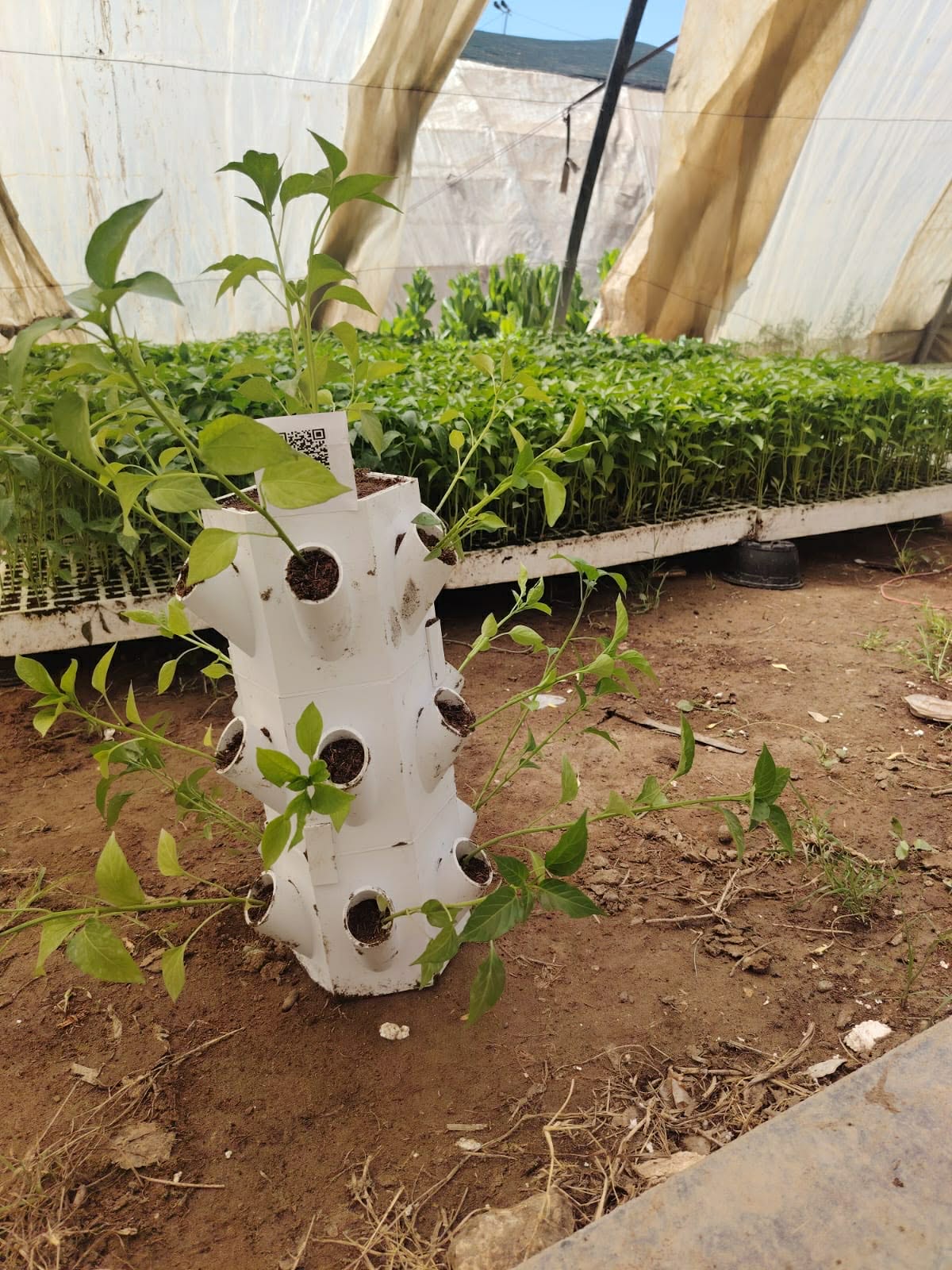
Smart Vertical Farming Systems made from recycled plastic — designed to maximize yield while minimizing water usage in drought-affected areas.
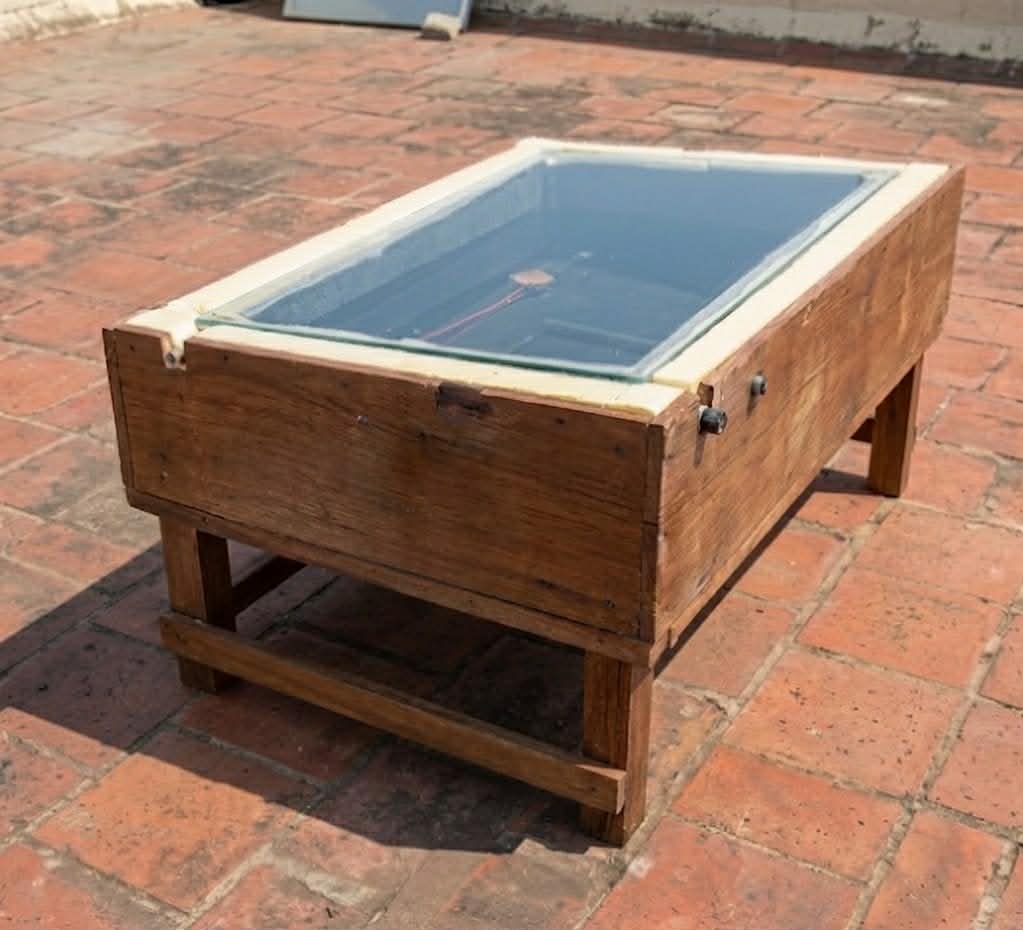
Designed for dry regions relying on salty groundwater wells — converting unusable water into clean irrigation water using solar energy.
Iraq faces increasing drought frequency, saline groundwater, and reduced agricultural productivity. Our products are engineered specifically for these conditions — practical, affordable, and deployable without advanced infrastructure.
Dramatically reduced irrigation consumption
Plastic waste repurposed into productive assets
Off-grid solutions for rural Iraq
A dedicated space for climate, environmental, and water-security content focused on Iraq.
Because of the ongoing drought, many people in Iraq have no choice but to consume groundwater without realizing the potential risks of PFAS contamination — often called 'forever chemicals'.
When we think of drought, we imagine dry land and vanishing streams. But there's a hidden danger: water quality. Drought doesn't just mean less water — it means dirtier, riskier water too.
💧 Drought & Flood Prediction Dashboard ☀️
Baghdad Station — Standardized Precipitation Index (SPI)
Select options to view prediction
| RMSN | DMSN | |||||
|---|---|---|---|---|---|---|
| SPI | R | RMSE | MAE | R | RMSE | MAE |
R (Correlation): closer to 1 is better
RMSE / MAE: smaller is better
Standardized Precipitation Index. Negative = drought, positive = wet, near-zero = normal.
Green = normal, orange = moderate drought, red = severe drought, blue = wet conditions.
RMSN: more accurate overall — use as primary. DMSN: better for SPI-12 long-term patterns.
Stacked Recurrent Neural Network. Uses multiple recurrent layers to capture temporal patterns in rainfall data.
Stacked Dilated Neural Network. Uses dilated convolutions to capture long-term climate patterns effectively.